
Kodaly Society of Hong Kong

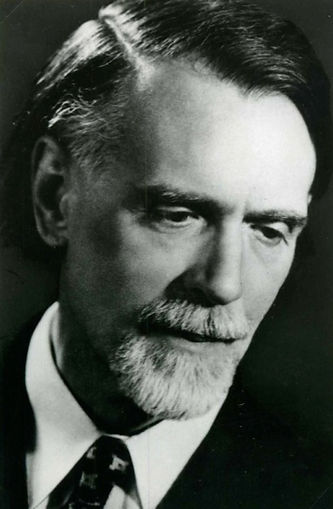
Zoltán Kodály (1882 - 1967)
Hungarian Composer/ Music Educator
Zoltán Kodály was a Hungarian composer, musicologist and educator who believed "music is for everyone" . He is best known for creating the influential Kodály philosophy for music teaching, but his legacy is built on three interconnected pillars: his artistic works, his scholarly work in folk music, and his revolutionary ideas in music education.
The Educator
Zoltán Kodály, composer, musicologist and educator was born in Kecskemét. His father was employed by the Royal Hungarian Railway and therefore the family moved often. Kodály spent 7 years of his early childhood in Galánta, Pozsony county. His life in this village, with its rich living Hungarian folklore, music and dance had a deep and lasting impression on him. The roots for his love of Hungarian folk music are in Galánta.
Kodály's work was a unified mission. His folk song research provided authentic material for his compositions and became the foundation for his teaching resources. He composed many pieces specifically for children's and amateur choirs to put his educational ideals into practice. His ultimate goal was to build a more musical society.
The Kodály Philosophy
The Kodály Philosophy: Music for Everyone.
The Kodály philosophy is a way of learning music that is natural, joyful, and effective. It’s built on the belief that everyone is musical, and that music is a vital part of being human.
Core Principles of the Kodály Philosophy:
-
Music for All: He believed musical ability is a human birthright, not a special talent.
-
Start Early & Sing: Music education should begin in early childhood, using the voice (singing) as the primary instrument.
-
Use Folk Music: Start with the child's "mother tongue" – the folk songs and nursery rhymes of their own culture.
-
Learn Like Language: Music literacy should follow the natural process of learning a language: listen and speak first, then learn to read and write notation.
This approach, often called the "Kodály Method," uses tools like movable-do solfege and hand signs to make music literacy accessible and engaging. It has been used worldwide since the mid-20th century.
In short, the Kodály philosophy doesn't treat music as a special talent, but as a birthright—a language we can all learn to speak, read, and enjoy.
高大宜是什麼?
「Kodály音樂教學法」是匈牙利作曲家Zoltán Kodály所發明的一種音樂教學方法,強調以歌唱為主,透過輕鬆的活動激發學生的音樂熱情。Kodály音樂教學鼓勵學生使用容易上口的民謠,來進入音樂的世界,培養他們的音樂欣賞和理解能力。
Kodály音樂教學法適合不同年齡層,分為Early Childhood、Primary及Secondary 3大階段共9個等級,外國研究指出寶寶出生前已可以開始使用。Kodály的音樂教學概念在1945年後開始被國際承認,很多西方國家都推動同支持Kodály音樂教學,近年更成為四大音樂教學法之一。
另一個讓Kodály日漸受歡迎的原因是這個教學法能很大程度地激發學生們的創造力和表達能力。學習音樂從此變得生動有趣,讓所有學生都能在音樂中找到自信與樂趣。
Kodály高大宜的理念與特色
1. 以歌唱為基礎的音樂學習
- Zoltán Kodály認為人聲是最自然的音樂工具,因此教學主要以歌唱為基礎。
- 使用簡單的民謠、兒歌和經典旋律,讓孩子透過歌唱來感知音樂的旋律、節奏和結構。例如:老師可以教孩子唱簡單的民歌,並逐步引導他們了解音高(Solfege)和節奏模式。
2. 階段性與系統性的音樂學習
-漸進式學習把音樂教學分為不同的階段,從簡單到複雜,幫助學生紮實掌握音樂的每個元素。例如:幼兒可以從簡單的節奏模仿(如拍手)和單音模仿(如唱「do」)開始,逐步進入更複雜的旋律和和聲。
3. 音樂與遊戲的結合理念
- Kodály高大宜教學把音樂學習融入遊戲中,通過唱遊、律動和角色扮演,讓孩子在自由探索中學會音樂知識。