
Kodaly Society of Hong Kong

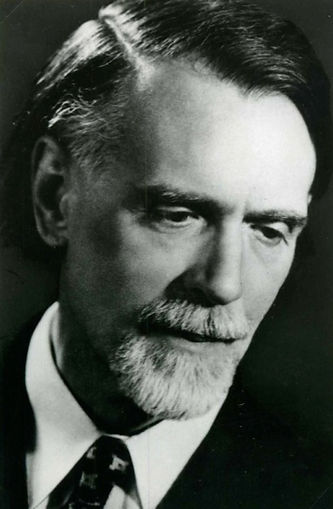
Zoltán Kodály (1882 - 1967)
Hungarian Composer/ Music Educator
Zoltán Kodály was a Hungarian composer, musicologist and educator who believed "music is for everyone" . He is best known for creating the influential Kodály philosophy for music teaching, but his legacy is built on three interconnected pillars: his artistic works, his scholarly work in folk music, and his revolutionary ideas in music education.
The Educator
Zoltán Kodály, composer, musicologist and educator was born in Kecskemét. His father was employed by the Royal Hungarian Railway and therefore the family moved often. Kodály spent 7 years of his early childhood in Galánta, Pozsony county. His life in this village, with its rich living Hungarian folklore, music and dance had a deep and lasting impression on him. The roots for his love of Hungarian folk music are in Galánta.
Kodály's work was a unified mission. His folk song research provided authentic material for his compositions and became the foundation for his teaching resources. He composed many pieces specifically for children's and amateur choirs to put his educational ideals into practice. His ultimate goal was to build a more musical society.
The Kodály Philosophy
The Kodály Philosophy: Music for Everyone.
The Kodály philosophy is a way of learning music that is natural, joyful, and effective. It’s built on the belief that everyone is musical, and that music is a vital part of being human.
Core Principles of the Kodály Philosophy:
-
Music for All: He believed musical ability is a human birthright, not a special talent.
-
Start Early & Sing: Music education should begin in early childhood, using the voice (singing) as the primary instrument.
-
Use Folk Music: Start with the child's "mother tongue" – the folk songs and nursery rhymes of their own culture.
-
Learn Like Language: Music literacy should follow the natural process of learning a language: listen and speak first, then learn to read and write notation.
This approach, often called the "Kodály Method," uses tools like movable-do solfege and hand signs to make music literacy accessible and engaging. It has been used worldwide since the mid-20th century.
In short, the Kodály philosophy doesn't treat music as a special talent, but as a birthright—a language we can all learn to speak, read, and enjoy.
What is Kodály?
The Kodály method of music teaching is a music education approach invented by Hungarian composer Zoltán Kodály. It emphasizes singing as the primary method and aims to inspire students' passion for music through relaxed activities. Kodály encourages students to use catchy folk songs to enter the world of music and cultivate their music appreciation and comprehension skills.
The Kodály music teaching method is suitable for different age groups, divided into three main stages and nine levels: Early Childhood, Primary, and Secondary. Foreign studies indicate that it can be used even before a baby is born. The Kodály music teaching concept began to be recognized internationally after 1945, and many Western countries have promoted and supported Kodály music teaching. In recent years, it has become one of the four major music teaching methods.
Another reason for Kodály's growing popularity is that this teaching method greatly stimulates students' creativity and expression. Learning music becomes lively and interesting, allowing all students to find confidence and enjoyment in music.
Kodály's philosophy and features
1. Music learning based on singing
Zoltán Kodály believes that the human voice is the most natural musical instrument, therefore his teaching is mainly based on singing.
- Use simple folk songs, nursery rhymes, and classic melodies to help children perceive the melody, rhythm, and structure of music through singing. For example, teachers can teach children to sing simple folk songs and gradually guide them to understand pitch and rhythmic patterns.
2. Phased and systematic music learning
- Progressive learning divides music instruction into different stages, from simple to complex, helping students solidly grasp every element of music. For example, young children can start with simple rhythm imitation (such as clapping) and single-note imitation (such as singing "do"), gradually moving into more complex melodies and harmonies.
3. The concept of combining music and games
Kodály integrates music learning into games, allowing children to learn music knowledge through singing, dancing, rhythm, and role-playing while freely exploring.